Address
304 North Cardinal
St. Dorchester Center, MA 02124
Work Hours
Monday to Friday: 7AM - 7PM
Weekend: 10AM - 5PM


Welcome To Kingdom of The Tigers
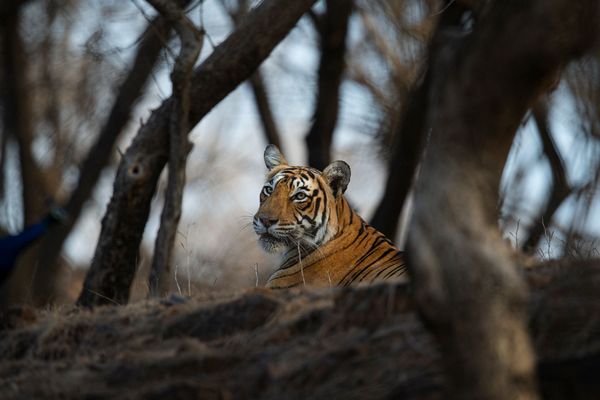
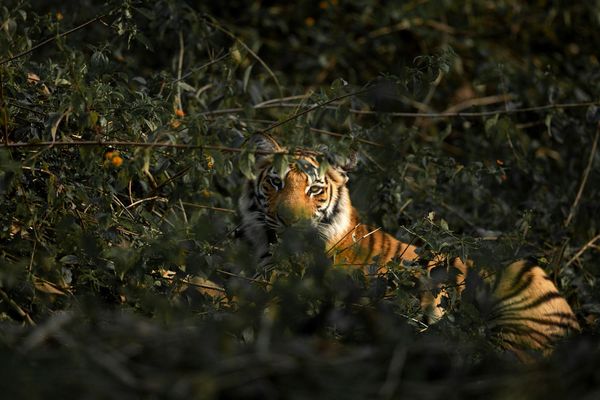
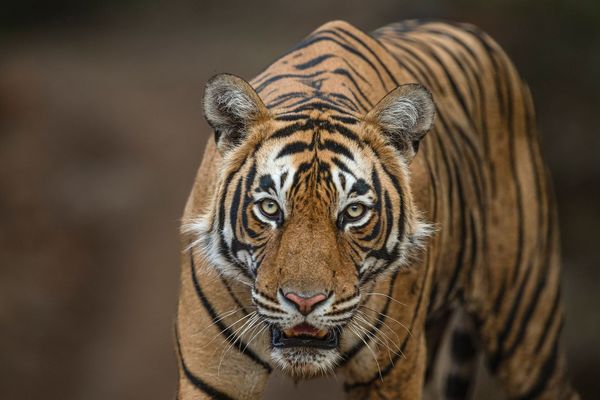
Yellow and Black stripes. Waves of these two colors, on a body full of power and muscle, rowing behind meadows and lingering inside grasslands. While the forest is awfully silent and surroundings lush, your heart is racing at the speed of light. In anticipation of a vision that will enthrall the rest of your life, with months of planning and sometimes years, your eyes search for this one beast, the King, the Shah, the Royal Bengal Tiger on our best tiger safari India tours in the most popular tiger reserves and wildlife sanctuaries like the Bandhavgarh tiger reserve, Kanha tiger reserve, Ranthambore and Corbett national park of India.

Promptly and satisfactorily responding to your inquiries.

Ensuring that your tiger safari in India is enjoyable and enriching.

Will do everything to make your tour as per your preferences.

You visit us as a guest and leave us as a lifelong friend.
The best opportunity to see a wild Royal Bengal Tiger is on a tiger safari in India. Seeing a tiger in all its majesty is unsettling, whether you’re watching it stalk its prey or listening to its mighty roar echo through the air. Over time, more and more people have begun to go on jungle safaris in order to satisfy their curiosity about the jungle’s uncharted nature. The tiger reserves in India are among the best in the world, making it an ideal destination for a genuine safari experience.
As there are about 50 tiger reserves in India spread throughout 19 states, choose the best one to visit might be difficult. Each reserve is well-kept and features its own special wildlife experiences. On the other hand, you can only choose a handful. The best tiger safari in India may be planned with our assistance. You can reach us via any of the site’s inquiry forms.
What you will experience on a tiger safari in India – The Royal Bengal Tiger walks out of the tall grass, giving you a slight peak, a glimpse of his undying grandiosity. But he won’t be a tease for long. Tigers are gentlemen. He knows you’ve waited long enough for him. He will park himself right in front of your gypsy. Photograph him all you want. Unlike other cats, Tigers love attention and know when paparazzi are around! They pose for you, giving you not one, but multiple bucket shots to remember this splendid journey with.
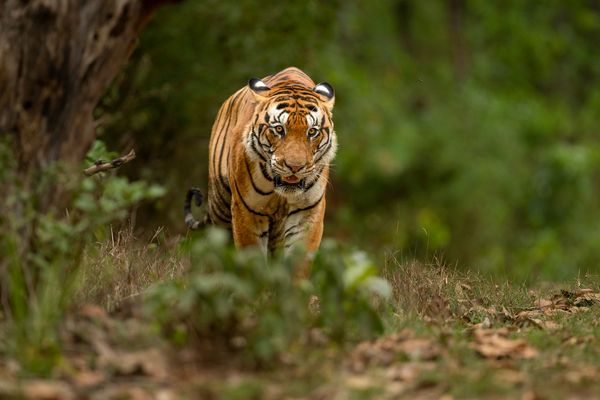
24 Days / 25 Nights
The Bengal Tiger, Asian Leopard, Snow Leopard, and Indian Leopard are four of the largest cats in the world, and India is fortunate to be home to them all. The coexistence of all of them is amazing.
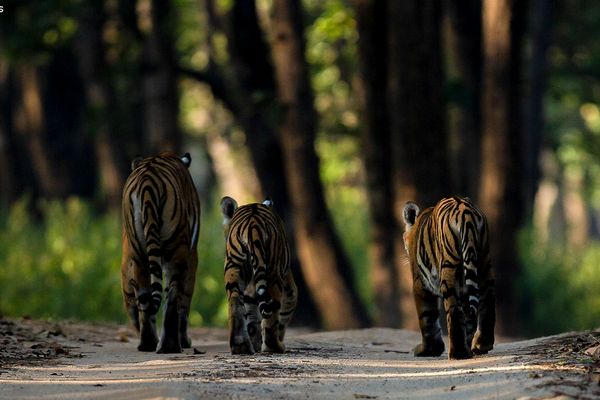
12 Days / 13 Nights
As you travel across the “Highlands of Central India” on our most extensive tiger safari in India—the Just Tigers Tour—immerse yourself in the chapter on Indian wildlife.
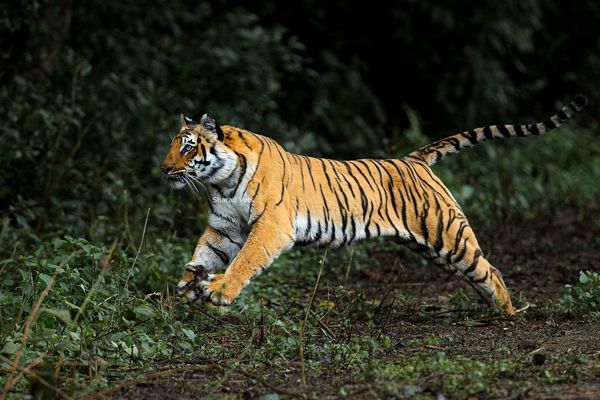
10 Days / 11 Nights
India, a country that is known for its Royal Bengal Tigers, stunning architecture, and spirituality, offers you the Tiger, Taj, and Temple Tour. This Tiger Safari India Tour in India also takes you to the history of India.
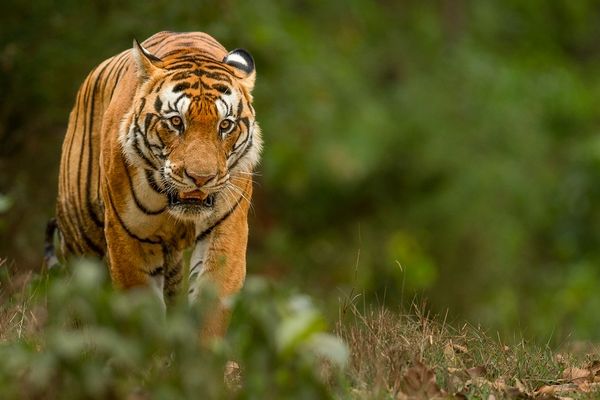
15 Days / 16 Nights
The Tiger Safari and Golden Triangle Tour brilliantly captures India’s inherent beauty in a nutshell, combining a culturally attractive environment with the royalty of the tiger…
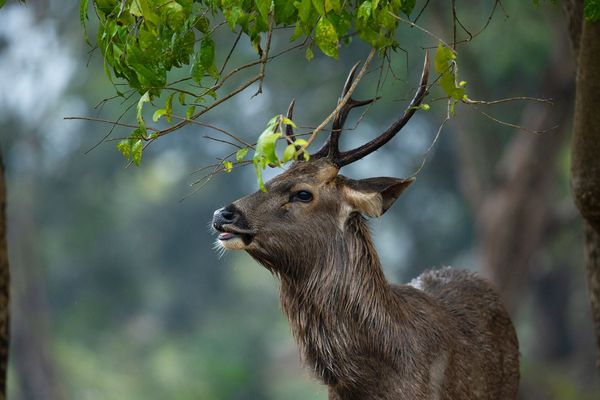
12 Days / 13 Nights
Tiger Photographic Safari Tour: With the overwhelming diversity at one’s disposal, keeping a bag full of additional batteries and memory cards for your camera is a vital must.
17 Days / 18 Nights
Nestled over an area of around 800 square feet among the Aravali Hills. The Sariska National Park, now known as The Sariska Tiger Reserve, spans kilometres of grasslands…
What is the best time to go on a tiger safari in India – As per our professional experience, the ideal time of the year to go on a tiger safari in India for people visiting India are the months from November to April are ideal for wildlife enthusiasts who want to see the majestic beasts up close and personal in their natural settings. Water levels in swimming pools and lakes are dropping as a result of the warm weather. Shrinking causes the grass and trees to dry down, giving the area a desert-like appearance. These tigers leave their place and roam when they become thirsty, wandering to the nearest lakes to drink and rest. As a result, the potential for seeing tigers increases dramatically. In addition, there are several possibilities for photographing local wildlife.
India has seen these Kings in all their glory. ‘Tiger Trails’ linger with ‘Tiger Tales’. Tales that have been a part of generations of local guides, forest guards, and families, all co-habiting respectfully with the jungle.
Take this incredible journey with us. With almost three decades of wildlife safari experience in India, we ensure your trip is tailored to the tee. We want you to take in all the magnificence the Indian Jungles have to offer. Let the Tiger’s roar resound every time you think of your tiger safari experience in India.
Experience Indian wildlife in all its effulgence. The Kingdom of Tigers awaits your presence!
Some most explicit adventure place in India are national parks and wildlife reserves. Lets look down and explore with us possibility of being shocked.
August 2022
Amazing experience working with Ishana and all the guides. We saw a ton of tigers in close range. The food and lodging was amazing. Perfect trip and first time in India.
August 2022
Excellent Experience with Nature Safari India. Nature Safari India organized our private 2 Weeks Safari in Central India plus a couple of Sightseeing and we are very happy to having choose this agency.
August 2022
Deepkul and the Tiger Safari India team put together an incredible experience for us in Kanha and Bandhavgarh. All the details were taken care of as per our preferences and budget including transportation, etc.
Contact Us
Nature Safari Pvt Ltd. 51, B-3, Sector-11, Rohini, New Delhi-110085 (India)
Phone
Deepkul Chhetri :+91-9144200272
Explore Indian Tiger Safari Tours